
Mortgage loans
A mortgage is the loan you use to buy a home. Programs differ on down payment, credit, occupancy, and who can qualify. Start with the loan that fits, then compare today’s rates or check eligibility with a lender.
Compare today’s rates
Loan programs
Government-backed loans, construction financing, and non-QM options sit next to standard conventional mortgages. Open a program for requirements and rates.
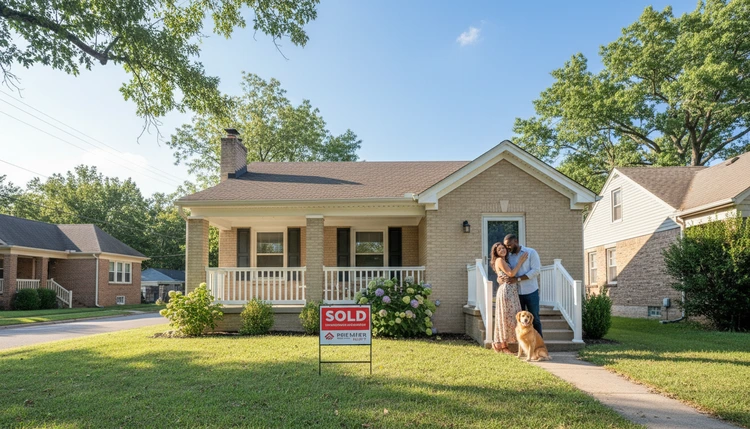
3.5% down
FHA loans
Government-backed purchase loans with more flexible credit than conventional. Mortgage insurance applies.
- Often available from a 580 score
- Primary residence, 1–4 units
- Upfront and monthly mortgage insurance

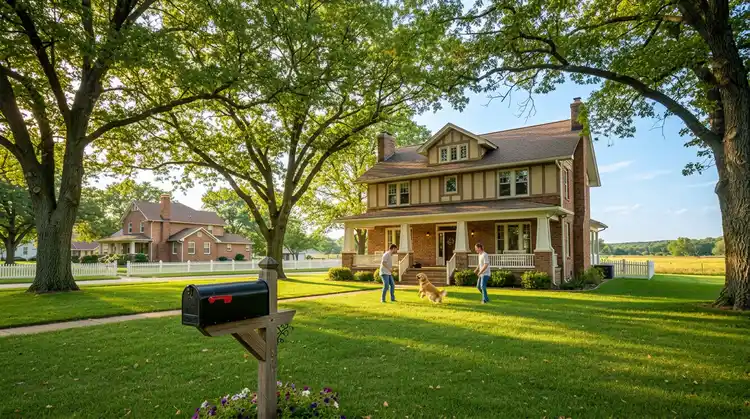
$0 down
VA loans
For eligible veterans, service members, and surviving spouses. Often no monthly mortgage insurance.
- 100% financing for eligible buyers
- No monthly PMI
- Primary residence
$0 down
USDA loans
Section 502 Guaranteed loans for eligible rural and suburban homes. Income and location limits apply.
- Eligible rural and suburban areas
- Household income limits
- Guarantee fee, not monthly PMI
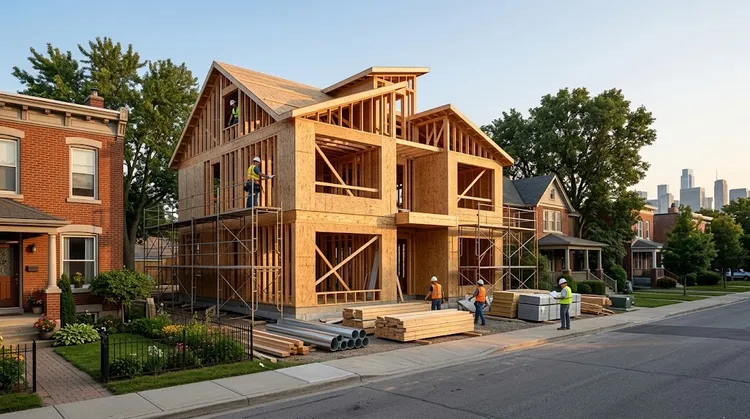
Build, then convert
Construction loans
Finance a new build with draws, then convert to a permanent mortgage. USDA, FHA, VA, and conventional.
- Funds released as the home is built
- One close or two, depending on the program
- USDA, FHA, VA, and conventional

Beyond W-2 income
Non-QM loans
Qualify with bank statements, rental income, or assets. Built for self-employed buyers and investors.
- Bank statements, 1099s, or assets
- DSCR loans for rental property
- Outside standard Fannie and Freddie rules

High balance
Jumbo loans
Finance a home that exceeds standard conforming loan limits. Often requires strict credit and cash reserves.
- For homes above county loan limits
- Usually requires 10–20% down
- Stricter DTI and reserve requirements

Live lender offers
Today’s rates
Compare 30-year, 15-year, FHA, USDA, VA, and ARM offers from lenders in one table.
- Filter by credit and purchase price
- Fixed-rate and adjustable offers
- Side-by-side lender offers
Conventional loan terms
Most buyers use a conventional fixed-rate or adjustable-rate loan. The term changes the payment and the total interest.
30
years
30-year fixed
The most common term. A lower monthly payment, and a rate that stays the same for the life of the loan.
See 30-year rates15
years
15-year fixed
A higher monthly payment and a lower rate. You pay the loan off in half the time and less total interest.
See 15-year ratesARM
adjusts later
Adjustable-rate
A lower starting rate for a set period, then the rate can change. Useful if you expect to move or refinance.
See ARM ratesBrowse by property type
A primary single-family home is the usual case. Condos, multi-unit homes, second homes, and rentals have their own rules.


Run the numbers
Estimate a payment, a price range, or whether a lender will take the file.
Payment calculator
Estimate principal and interest from a price, down payment, and rate.
Calculate a paymentDebt-to-income calculator
See a max loan from gross income, monthly debts, and a rate.
Check debt-to-incomeEligibility
Answer a few questions and get connected with licensed lenders.
Check eligibilityA broker can match the loan to the property
Talk through FHA, VA, USDA, conventional, construction, or non-QM and get a quote for your credit, down payment, and home.
Check eligibility with a lenderNMLS-licensed lenders Fast Lender Matching