
CDD Fees Explained: Community Development District
A Community Development District (CDD) is a special-purpose government entity that funds infrastructure in new communities—roads, drainage, utilities, parks, and amenities. Instead of developers passing those costs directly to home prices, they issue municipal bonds and repay them through annual assessments on homeowners.
CDD fees are most common in new construction and master-planned communities. They typically range from about $1,000 to $3,500 per year, though some communities charge more. If you're buying a new home in a planned development, you'll likely see CDD on your monthly housing costs.
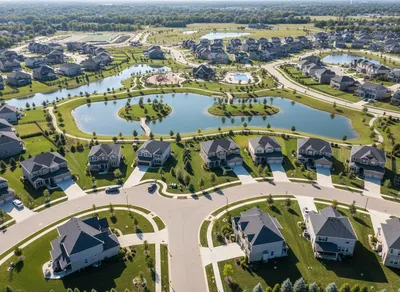
What CDD Fees Cover
- Debt service: Repays bonds for roads, water, sewer, drainage (typically 20–30 years)
- Operations & maintenance: Landscaping, ponds, common-area utilities, insurance (ongoing)
The debt portion ends when bonds are paid off. The O&M portion continues for as long as the district exists.
How Long Does CDD Last? Does It Go On Forever?
Mechanically, a CDD works like this: when a developer builds a new community, they create the district and issue municipal bonds to fund infrastructure. Those bonds typically have 20–30 year terms. Homeowners in the district pay an annual assessment that covers both (1) bond repayment and (2) ongoing operations and maintenance.
The debt portion has an end date. Once the bonds are fully repaid—usually 20–30 years from when the community was built—that part of your CDD assessment goes away. Your total CDD fee drops.
The O&M portion typically continues indefinitely. The district itself rarely dissolves. Landscaping, pond maintenance, common-area utilities, and insurance still need to be paid. So while your CDD won't stay at the full amount forever, you can generally expect a lower ongoing fee for as long as you own the home. When comparing communities, ask how much of the current CDD is debt vs. O&M—and when the bonds are scheduled to be paid off.
Typical CDD Cost Ranges
CDD fees vary by community, bond amount, and amenity level. In new construction communities, a typical range is:
| Range | Annual | Monthly (approx.) |
|---|---|---|
| Low | ~$500–$1,000 | ~$42–$83 |
| Typical | $1,000–$3,500 | ~$83–$292 |
| High (premium communities) | $3,500–$6,300+ | ~$292–$525+ |
CDD vs. HOA: What's the Difference?
CDD and HOA fees are both recurring housing costs, but they serve different purposes:
CDD (Community Development District)
- • Government entity (special district)
- • Funds infrastructure (roads, utilities, drainage)
- • Bond debt + ongoing O&M
- • Common in new construction and master-planned communities
HOA (Homeowners Association)
- • Private association of homeowners
- • Maintains common areas, amenities, rules
- • Dues set by board, can change
- • Found in condos, townhomes, many subdivisions
Many new communities have both CDD and HOA fees. When budgeting, add them together for your total monthly housing cost.
How CDD Appears on Your Bill
CDD assessments typically appear on your property tax bill as non-ad valorem assessments. If you escrow taxes with your lender, CDD is usually included in your monthly mortgage payment along with property taxes and homeowners insurance.
When comparing homes, always ask for the total CDD amount—and whether it's likely to change as bonds are paid down or O&M costs shift.
Key Takeaways
- CDD fees fund infrastructure in new master-planned communities
- Common in new construction; typical range $1,000–$3,500/year
- Two parts: bond repayment (typically 20–30 years, then ends) + operations & maintenance (ongoing indefinitely)
- Your total CDD drops when bonds are paid off; O&M portion continues
- Shows up on property tax bill; often included in escrowed mortgage payment
- Factor CDD into your affordability calculator when comparing homes